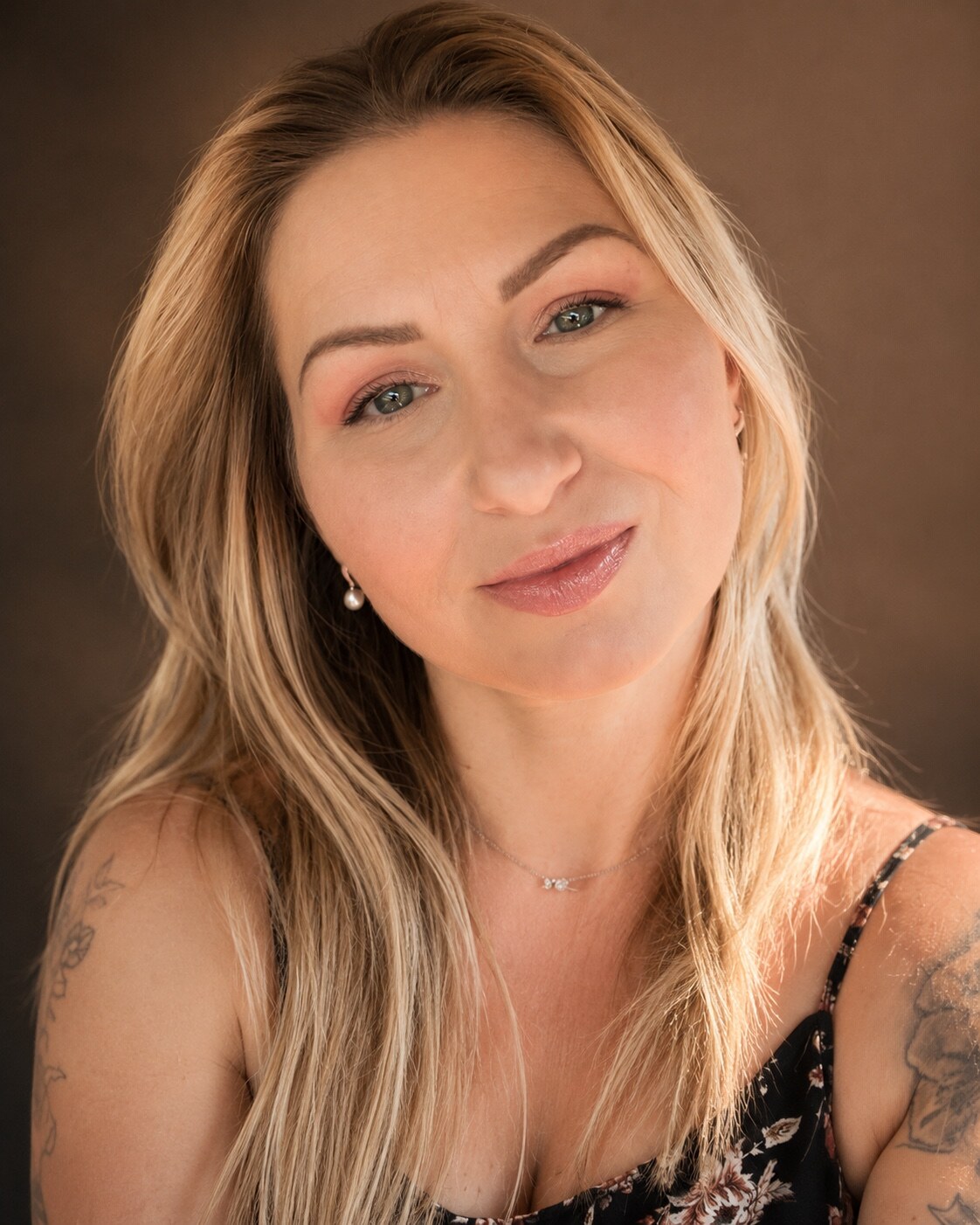
I have lived with Type 1 diabetes for more than three decades. That sentence sounds neat and contained; living it has been anything but. Diabetes is present in ordinary moments, difficult seasons, celebrations, workdays and nights when rest does not come easily. It asks for attention whether or not life has left room for it.
For a long time, I thought resilience meant being unaffected. I imagined the strongest version of me would handle every number, every interruption and every hard day without becoming discouraged. Experience has taught me something gentler and more useful: resilience is not the absence of frustration, fear or fatigue. It is the willingness to keep caring for yourself after those feelings arrive.
Starting again still counts
Some days are steady. Other days feel like a string of adjustments with no obvious answer. A difficult reading is information, not a character assessment. A disrupted routine is not proof that the entire routine has failed. There is always another opportunity to pause, notice what is happening and take the next sensible step.
That lesson has travelled far beyond diabetes. It shapes how I approach business problems, training, relationships and faith. I do not need to solve the whole future in one moment. I need enough honesty to see what is in front of me and enough courage to respond.
Strength can be quiet
Strength is often pictured as something visible: a personal record, a polished success story or a dramatic turning point. Much of the strength required by chronic illness is invisible. It lives in preparation, small decisions, asking questions, accepting help and continuing with ordinary life while carrying responsibilities other people may never see.
I am still learning to honour that quieter strength. It may not look impressive from the outside, but it builds a life. It has taught me patience without passivity, flexibility without giving up, and compassion for the private work other people may be doing too.
My body is not my enemy
Living with diabetes can make the body feel like a problem to manage. I try to remember that care is a partnership, not a punishment. Food, movement, technology, rest and medical support are tools—not measures of my worth. I can take my health seriously without making perfection the price of peace.
After 33 years, I do not have a tidy conclusion. I have a practice: pay attention, tell the truth about what is hard, receive support, and begin again as many times as necessary. That is the kind of resilience I want to keep building.
This is my personal experience, not medical advice. Diabetes care is individual; decisions about treatment should be made with your qualified healthcare team.